
Sudden merchant account shutdowns can create immediate problems for firearm retailers, FFL dealers, gun shops, shooting ranges, firearm accessory sellers, outdoor sporting goods stores, and eCommerce firearm-related businesses. When card processing stops without much warning, the disruption affects more than checkout. It can delay deposits, block online orders, slow inventory...
Underwriting Requirements for Firearms Merchant Accounts
Firearm-related businesses need reliable ways to accept card payments, but approval is rarely as simple as filling out a short online form. Gun shops, FFL dealers, shooting ranges, firearm accessory sellers, outdoor sporting goods retailers, and online firearm-related businesses often go through a more detailed review because processors must understand...
Firearm Industry Merchant Account Approval Requirements
Firearm industry merchant account approval requirements are more detailed than standard retail approvals because firearm businesses operate in a regulated, closely reviewed category. Underwriters usually want to confirm that the business is properly licensed, transparent about what it sells, prepared to manage chargeback risk, and using secure payment systems. For...
Merchant Accounts for Multi-Location Gun Shops
Multi-location firearm retailers need more than basic card acceptance. They need merchant accounts that support in-store sales, ecommerce payments, inventory coordination, FFL documentation, secure firearms payments, centralized payment reporting, and chargeback management across every store. For expanding retailers, merchant accounts for multi-location gun shops help create a consistent payment structure....
Avoiding Firearms Merchant Account Termination: The FFL Guide to Long-Term Payment Stability
A merchant account can feel stable right up until the day it is not. Many firearm retailers discover this the hard way. Funding slows down, reserve requirements change, extra documents are requested, or a processor suddenly sends a notice that the account is being reviewed, frozen, or terminated. In a...
How to Set Up a Secure Firearms Merchant Account Without Costly Mistakes
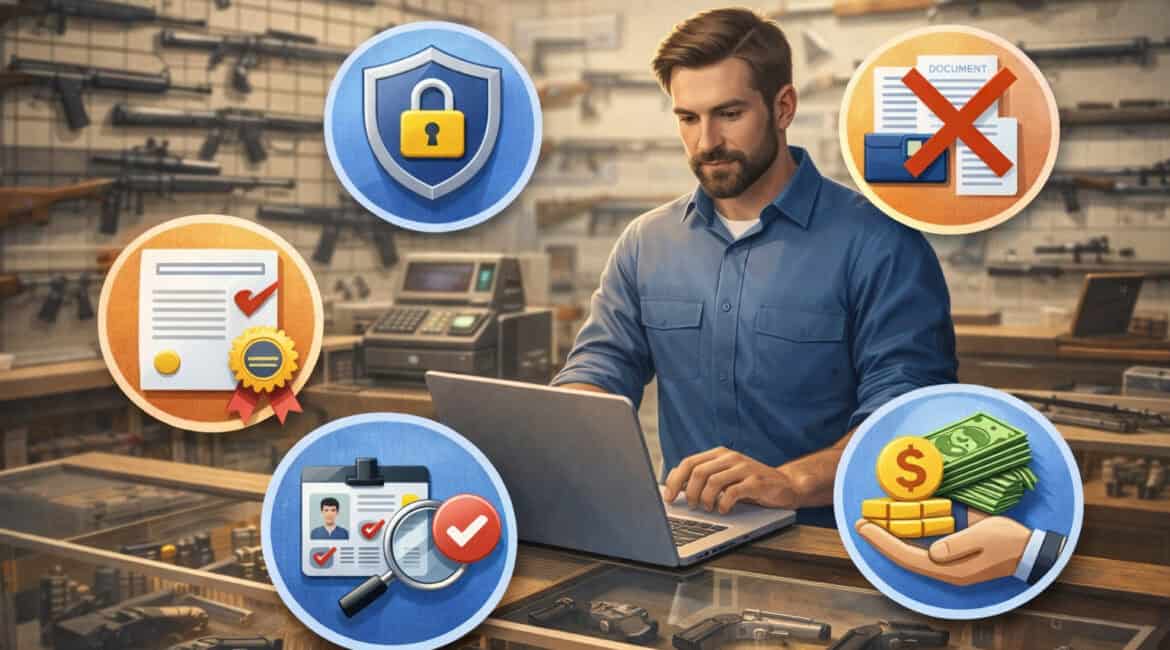
Selling firearms and related products comes with more scrutiny than many other retail categories. That affects everything from underwriting and fraud controls to checkout design and long-term account stability. If you want to Set Up a Secure Firearms Merchant Account, you need more than a basic payment application. You need...
How Gun Stores Can Get Approved for Merchant Accounts

Setting up a merchant account for any firearms store is more complicated than for other types of businesses. Firearms are considered high-risk, which makes banks scrutinize an application very closely. Even fully legal stores can experience delays or rejections for this reason. Clear disclosure, proper documentation, and a processor for...
Chargebacks for Firearm Retailers: Root Causes, Rebuttal Evidence, and Prevention Tactics
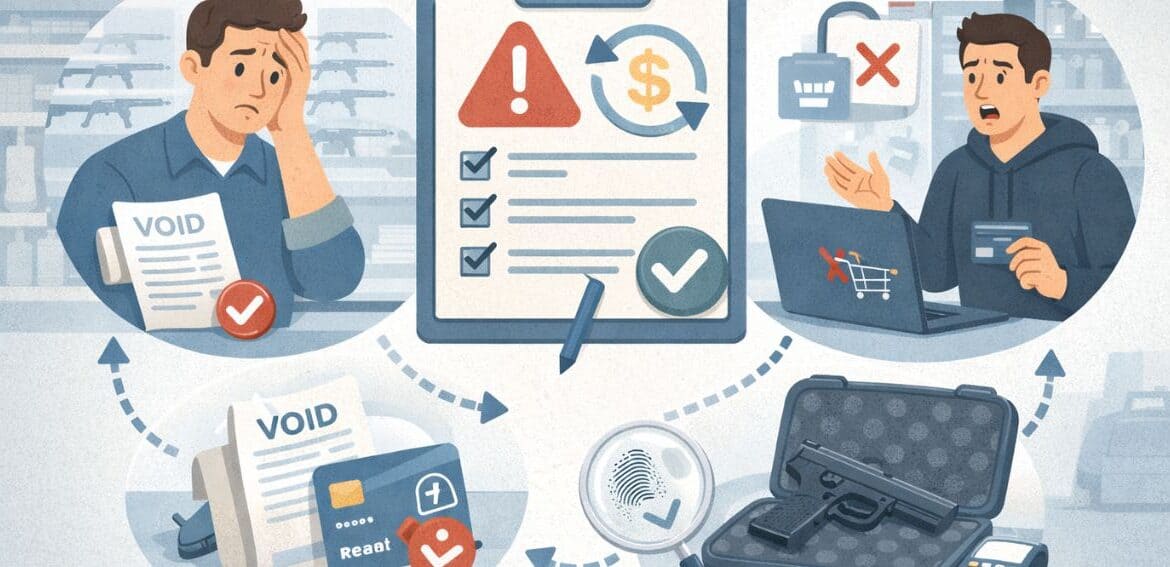
Compared to most retailers, firearm retailers are subject to stricter oversight from banks, payment processors, and regulators. Chargebacks in this market have higher implications since weapons are regarded as high-risk items. Even a slight rise in disputes might cause account reviews, rolling reserves, or unexpected termination. Chargebacks here, in contrast...
What an “FFL Merchant Account” Is—and Why Documentation Matters
An FFL merchant account is a payment processing account approved for businesses that hold a valid Federal Firearms License (FFL) and sell firearms, ammunition, or related accessories. Unlike a generic merchant account, an FFL merchant account undergoes enhanced underwriting because firearm sales are both federally regulated and considered high-risk by...
Common Reasons Firearm Merchant Accounts Get Denied
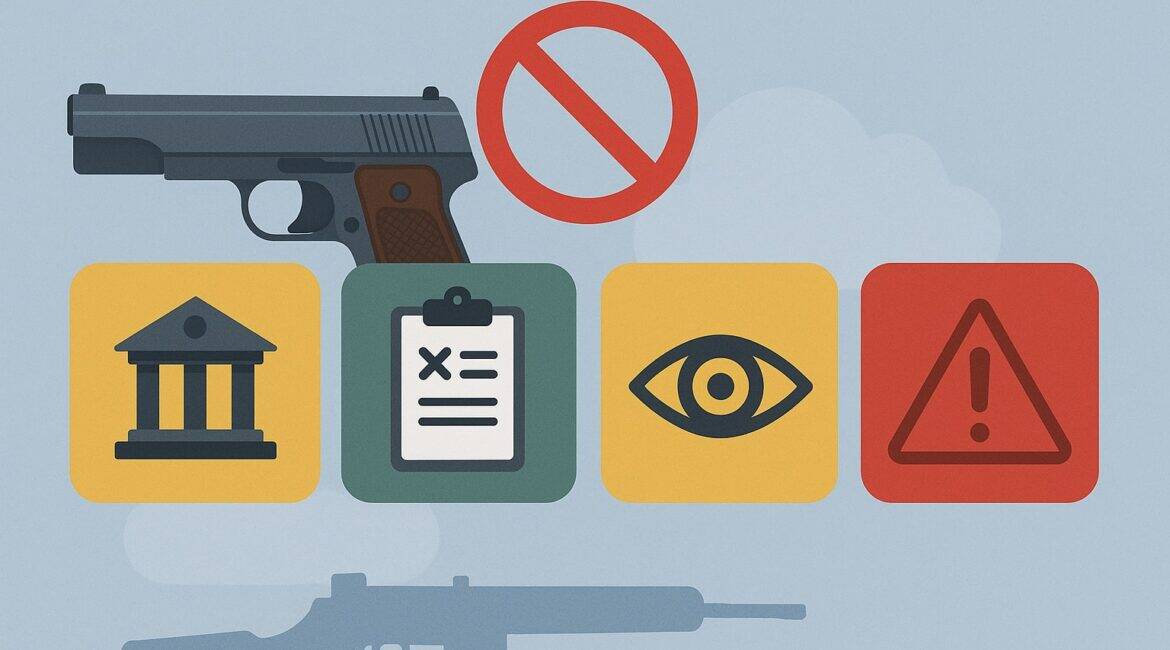
Opening a firearm merchant account in the U.S. isn’t just about picking a processor and plugging in a terminal. It’s a risk-managed relationship that sits at the intersection of federal firearms law, banking regulation, card-network rules, sanctions compliance, chargeback thresholds, and state-by-state restrictions. Below is a current, plain-English guide to...