
With highly regulated NFA items, setting up a compliant payment system is important for every Class 3 SOT holder. Each sale requires strict recordkeeping, clear documentation, and a secure method of tracking payments. Proper payment setup also helps you adhere to ATF rules, keep sensitive information about your customers private, and avoid mistakes that could lead to delays in your operations or compliance issues.
If your payment process is organized, forms can be managed more easily, required information can be gathered, and complete transparency during transfers can be maintained. This ultimately helps you to gain better trust with customers and support smooth operations, all while staying aligned with federal, state, and local laws.
What Is an SOT License?

A Special Occupational Taxpayer license is a special tax status that enables certain Federal Firearm Licensees to deal in firearms subject to the National Firearms Act. These items would include fully automatic guns, suppressors, short-barreled rifles and shotguns, destructive devices, and other highly controlled weapons.
Normally, each time one of these firearms is created or transferred, a different tax is owed. Each tax is allowed to be collected for each firearm, which means the overall cost could quickly skyrocket for businesses. An SOT license changes that. Rather than paying tax on every individual firearm, qualifying FFL holders can pay a single annual fee. This yearly tax usually fluctuates between $500- $1,000, depending on the size of the business.
When you take into consideration that just one NFA item can have up to $200 associated with a transfer tax, the SOT license often becomes a way more affordable option for those who deal regularly with these kinds of regulated firearms. It keeps the businesses compliant, cuts extra costs, and makes them run more effectively.
Types of SOT Classes
The SOT system is divided into three main classes, and each one supports a different type of firearms business. Firstly, a Class 1 SOT is the most specialized. It applies to companies that work with government agencies and need to import NFA-regulated firearms or equipment. Since this work is usually tied to research or government contracts, only a small number of businesses qualify, and you must already hold a Type 08 or Type 11 FFL before applying.
Secondly, a Class 2 SOT is far more common and is used by businesses that want to manufacture NFA items. To qualify, you must first have a Type 07 or Type 10 FFL. The type of NFA items you can produce depends on which FFL you hold, ranging from standard items under a Type 07 to destructive devices under a Type 10.
Finally, the Class 3 SOT is the most widely used because it allows a business to sell NFA firearms. Retailers and dealers who want to offer items like suppressors, short-barreled rifles, or other regulated products typically choose this class. To apply, you must already have a Type 01, Type 02, or Type 09 FFL. Together, these three classes help businesses decide the right path based on whether they want to import, manufacture, or sell NFA items.
Why Is Class 3 SOT Different?
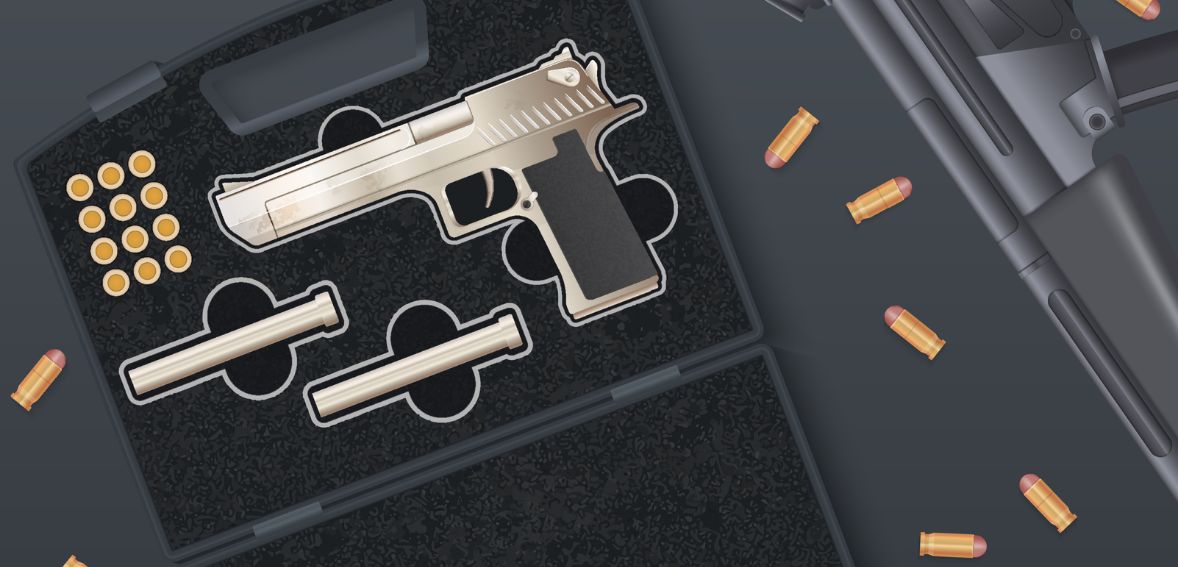
Operating as a Class 3 SOT comes with added responsibilities that go beyond what a regular firearm dealer handles. You must maintain detailed records for every NFA item you buy, sell, or store, and this includes special forms and documents that the ATF requires. The transfer process is also more involved because it includes ATF paperwork, full background checks, and coordination of tax stamps at the time of transfer.
Managing your inventory is another key task, since NFA firearms must be stored with strong security and checked regularly to stay compliant. You also need to follow all state and local rules, which can differ widely and may require extra permissions depending on where you operate. ATF audits and inspections for Class 3 SOTs are stricter, so your paperwork and filing must be accurate at all times.
Even with these added steps, becoming a Class 3 SOT opens the door to a unique market that includes NFA collectors, firearm owners who want regulated items for personal use, and law enforcement groups that need specialized equipment.
How to Get a Special Occupational Taxpayer (SOT) License

Getting an SOT license is pretty straightforward; the process of obtaining a license is based on what type of work you plan on doing with NFA firearms. From importer to manufacturer to seller, each of these activities must follow some basic guidelines provided by the ATF. Here is a simplified overview of how the process generally unfolds.
First, you’ll need to determine what kind of SOT class you’ll need. A Class 1 SOT is for those wishing to import NFA firearms, typically used in research or government work. A Class 2 SOT will be for those manufacturing items such as suppressors or short-barreled rifles. Lastly, a Class 3 SOT will be for those businesses wanting to sell NFA firearms to customers. Once you know what category fits your business best, you can proceed to the next step.
Secondly, before you apply for an SOT license, you must already have the proper Federal Firearms License (FFL). For a Class 1 SOT, an FFL 08 or 11 is required. For a Class 2 SOT license, an FFL 07 or 10 is required. For a Class 3 SOT license, you need an FFL 01 or 02. You cannot apply for SOT status without an FFL.
Next comes the filling out of ATF Form 7, which asks for personal information, business details, fingerprints, and photographs. This form is also where you attach the application fee. With this form, the ATF will find out all about your background and the setting of the business.
A full background check ensues, and the ATF reviews your criminal history, financial stability, mental health history, and past residency. They want to make sure you are responsible enough to run a firearms business and that nothing in your past disqualifies you from handling NFA items.
From that point on, it’s pretty much just waiting for approval. The ATF will consider the presented application and make its decision on whether or not to issue a license. Processing times are variable, and rules may change depending on local or state regulations, so it is important to stay informed.
Payment Processing Challenges for the Firearms Industry
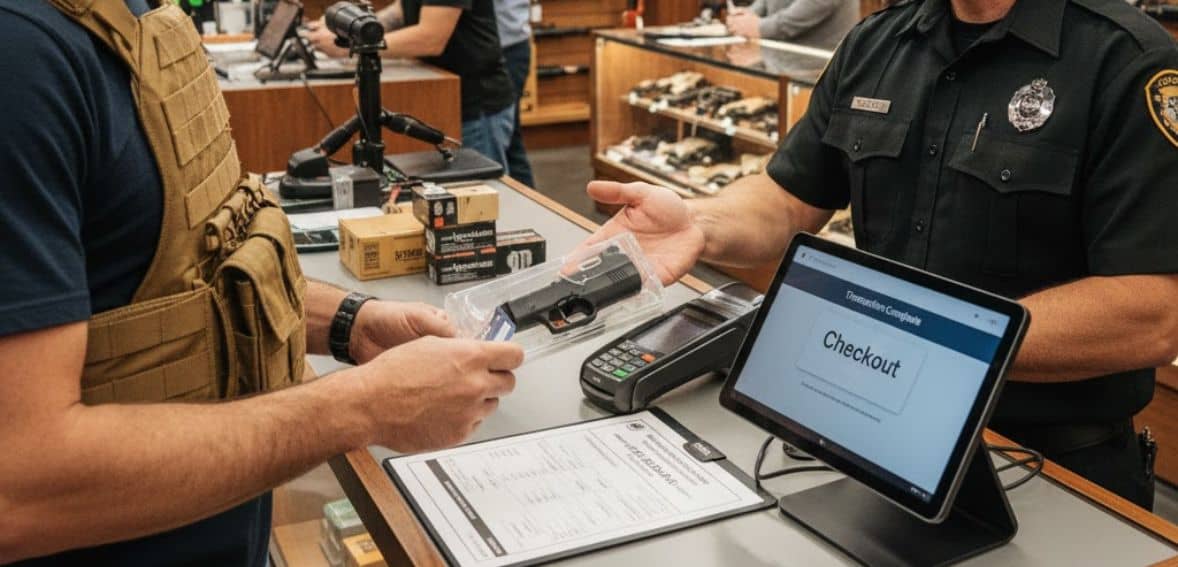
Payment processing can be bewildering for many firearms owners, especially those holding a Class 3 SOT license that sells NFA items. The firearms industry is often labeled as “high-risk,” and that label is directly related to how easily you’ll find a reliable processor. In order to manage the payments without constant roadblocks, you first have to understand why these challenges exist and how to navigate them.
The term ‘high-risk’ is used for gun stores for a number of reasons. For one, the firearms market is heavily regulated, and processors are concerned with remaining compliant at the federal and state levels. Chargebacks might be higher, too, since customers may dispute purchases more frequently in this industry. Add to that the fact that firearms remain a sensitive subject for many companies, some processors simply avoid the industry altogether.
For all these reasons, a general payment processor rarely works out for Class 3 SOT holders. You need a processor that understands firearms, NFA items, FFL rules, and SOT requirements. Specialized processors are familiar with the unique risks involved and build their services to meet these industry-specific needs. They are much more stable, offer clearer pricing, and provide stronger compliance support.
Most importantly, partnering with a processor specializing in the firearms industry means less surprise. Rather than worrying about shutdowns or unexpected fees, you can focus on running your business, serving customers, and managing SOT responsibilities with confidence. Specialized support makes the entire payment experience smoother and more reliable, which is crucial in a high-risk industry like firearms retail.
How to Set Up Payment Processing for Class 3 SOT Holders
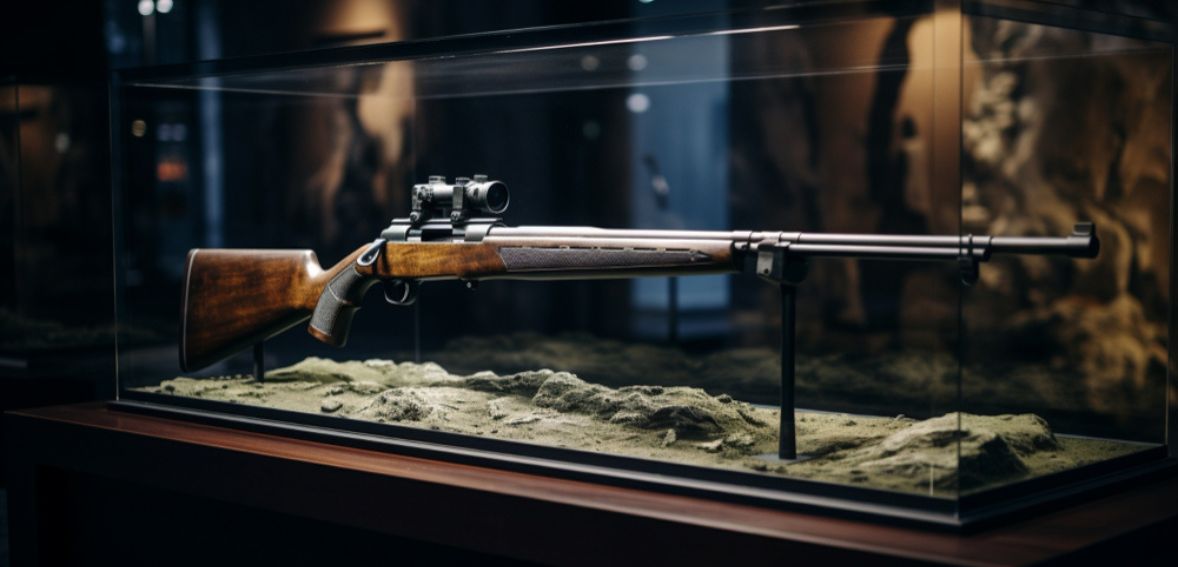
To set up payments for a Class 3 SOT holder begins with researching providers that understand the firearms industry and the requirements that come with an SOT license. Firstly, look for processors offering strong, clear fees and solid support, and check reviews from other owners to find out what actually works in daily operations. Secondly, once you find a provider, you’ll want to complete their merchant account application.
This generally includes basic business information, expected sales volume, and proof of your Federal Firearms License and your Class 3 SOT license. Having all your documents ready will help speed up the approval process. Thirdly, when you are approved, integration of the payment system with your point-of-sale or online store payment is the next step. Set it up without disrupting your operations and train your staff on using the new tools. This reduces mistakes, keeps checkout simple, and ensures customers have a fast and reliable experience when buying NFA items.
Tips for Managing Payment Processing for Class 3 SOT Holders
Managing payment processing as a Class 3 SOT holder requires careful attention because firearms sales fall under a high-risk merchant category. Perhaps the most important step in handling this is reviewing your compliance on a regular basis. Since you handle NFA items under your SOT license, you will need to ensure that your payment systems meet the requirements set by PCI DSS and any rules and regulations your processor may have.
These frequent checks will help you evade legal issues and also ensure the smooth continuity of your business. It’s also wise to monitor every transaction closely. Many payment processors include fraud detection tools, and you should use them to identify suspicious activity early. Due to the extra regulations attached to Class 3 SOT businesses selling items, staying ahead of fraud protects both your customers and your reputation.
Finally, a solid working relationship with your processor will go a long way: keep in contact with your provider, update them regarding any changes in your business, and don’t hesitate to ask for support. Processors who understand your Class 3 SOT license and the nature of NFA sales are more apt to provide seamless support, faster issue resolution, and possibly even better processing terms with time.
Conclusion
Setting up a compliant payment system is highly important for all Class 3 SOT holders; it protects your business, keeps transactions lawful, and earns trust within the customer base. Firearm dealers can protect themselves from expensive mistakes and prepare for inspections with secure payment tools that fit their business, following ATF and federal requirements, and keeping records clean and clear. A proper setup will make it easier to manage high-risk transactions related to NFA items while supporting professional service for buyers.
FAQs
Why do Class 3 SOT holders need a compliant payment setup?
Since NFA transactions involve strict federal regulations, secure and traceable payments help fulfill ATF standards and also protect both the dealer and buyer.
Can Class 3 SOT holders accept online payments for NFA items?
Yes, but it needs to support high-risk transactions, have high security, and keep records for all NFA-related payments.
Which payment features assist with ATF compliance?
Detailed reporting, identity verification, audit-ready records, and secure storage of customer and transaction information all support compliance.
Do state laws affect payment handling for NFA items?
Yes, state regulations do vary greatly; therefore, payment and documentation steps will have to reflect local laws in addition to federal ones.
What if payment records are incomplete or incorrect?
This can sometimes be missing or misrecorded, which alone can create compliance issues, failed audits, delays in transfers, or potential penalties from the ATF.
Leave a Reply