By gunfriendlypayments December 17, 2025
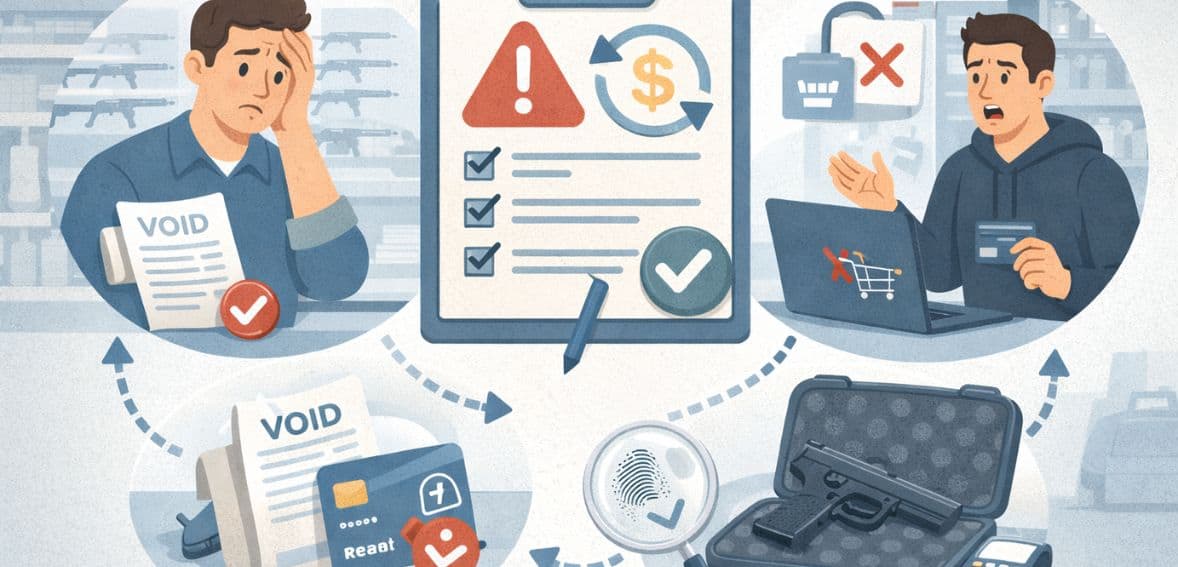
Compared to most retailers, firearm retailers are subject to stricter oversight from banks, payment processors, and regulators. Chargebacks in this market have higher implications since weapons are regarded as high-risk items. Even a slight rise in disputes might cause account reviews, rolling reserves, or unexpected termination.
Chargebacks here, in contrast to traditional retail, frequently involve fulfillment complexity, identity verification, and compliance issues. Payment processors anticipate that firearm dealers will have remarkably low dispute rates. Because of this fact, chargeback management is no longer a back-office duty but rather a crucial company function.
Retailers must recognize that disputes are judged not just on transaction legitimacy, but on perceived operational risk. Managing chargebacks effectively is essential to preserving payment access, maintaining processor trust, and ensuring long-term operational stability in a sensitive and regulated marketplace.
Why Firearm Chargebacks Escalate Faster

Because card networks already have a cautious attitude toward the industry, chargebacks climb more quickly for dealers of firearms. Banks anticipate increased political sensitivity, regulatory complexity, and fraud exposure. Because of this, issuers frequently take the side of cardholders faster. In this industry, things that are acceptable in other sectors become suspicious.
Retailers of firearms may discover that even justifiable disagreements work against them. After only a few instances, processors may apply fines and keep a careful eye on ratios. There is not much room for mistakes in this setting. Retailers must minimize the underlying causes of conflicts while responding to them promptly and properly.
Knowing how rapidly escalation happens enables merchants to take early warning indicators seriously, avoiding little difficulties from escalating into account-threatening issues that completely interfere with payment acceptance.
Friendly Fraud and Buyer’s Remorse
One of the most common reasons for chargebacks in the retail firearm industry is friendly fraud. Instead of notifying the business, customers complete a legal transaction but later contest the charge. Buyer’s regret in weapon sales can often be exacerbated by emotional considerations, societal pressure, or anxiety following the purchase.
A client can reevaluate their ownership obligations or encounter resistance from relatives. They submit a chargeback because they think it’s easier than understanding the return policy or transfer procedures. Sadly, banks hardly ever look into the emotional background.
Only a contested transaction is visible to them. Friendly fraud is especially risky because of this. Before reluctance evolves into an expensive chargeback, retailers must create procedures that reduce remorse-driven disputes through education, explicit policies, and proactive communication.
Unauthorized Transaction Claims
Firearm sellers have a significant problem with unauthorized transaction accusations, particularly when they operate online. Cardholders may assert that they did not approve a transaction, even if it is a lawful purchase. The card was occasionally used by a spouse or family member.
In other cases, the customer tries to change their mind after making a selection. Retailers of firearms must provide precise proof of permission. Consistent documentation, including transaction logs, IP addresses, billing information, and matching names, is expected by issuers. The case is weakened by any discrepancy. Due to the high value of weapons, issuers have stricter standards.
Merchants often lose arguments by default in the absence of solid proof of permission. Layered verification at checkout and meticulous documentation throughout the transaction lifetime are necessary to prevent these accusations. When firearm retailers sell guns online, they must ensure robust proof of authorization and clear verification records to reduce disputes related to unauthorized transactions.
Identity Verification Challenges
Even though identity verification is essential to the sale of firearms, disagreements may still arise. Clients may finish paying, but then fail transfer requirements or background checks. Emotions run high when this occurs. In response, some clients contest the charge, alleging fraud or fraud.
From the bank’s point of view, this is no longer a compliance problem but rather a payment dispute. Retailers need to properly record each stage of the verification process. It is crucial to have evidence that identity requirements were explained and approved throughout the checkout process.
Issuers may decide against the merchant in the absence of this. It is less likely that rejected transactions would result in chargebacks that harm processing relationships when identity verification is communicated clearly.
Shipping and Transfer Confusion

The fulfillment of firearms is very different from regular e-commerce. Items may need to be picked up in person following background checks, be shipped to authorized dealers, or stay pending transfer. When delays happen, customers who are not familiar with this process sometimes believe something is amiss.
Chargebacks for non-delivery are often the result of this miscommunication. Perception is important even when shipments are timely and compliant. Retailers are required to regularly and properly explain the transfer procedure. Dispute resolutions are strengthened by documentation demonstrating shipping to a licensed dealer, transfer acknowledgments, and customer notifications.
Above all, proactive education stops misunderstanding before it becomes worse. Customers are far less likely to suspect fraud and involve their bank too soon when they are aware of the procedures involved.
Compliance-Based Cancellations

Retail firearms are the only industry that uses compliance-based cancellations. Local constraints, incomplete documentation, or unsuccessful background checks might all result in the cancellation of a transaction. Clients who are refused completion frequently believe they should get their money back right away.
Frustration rapidly increases if refund deadlines or costs are not made clear. To force settlement, some clients initiate chargebacks. Issuers seldom take compliance subtlety into account. They concentrate on whether the client got what they paid for.
Retailers must demonstrate that refund procedures were approved and compliance requirements were revealed up front. At the time of checkout, a clear written acknowledgment is crucial. Without it, even cancellations that are legally warranted may lead to higher chargeback rates and lost arguments.
Billing Descriptor Confusion
Chargebacks can be subtly but significantly caused by billing descriptions. In order to avoid examination, gun merchants may employ generic descriptors. But this frequently backfires. When customers go over their statements, they cannot see the charge and think it’s fraud. Rather than contacting the retailer, they get in touch with their bank.
Conflicts are preventable as a result. Clarity and discretion should be balanced by descriptors. Confusion is reduced by using a known company name and contact information. Customers may directly answer questions and link the fee to their transaction with a clear description. A surprising number of conflicts may be avoided with this simple change, safeguarding processor relationships and income without sacrificing compliance considerations.
How Issuers Evaluate Disputes
Standardized frameworks that seldom take industry detail into account are used by issuing banks to assess disputes. They concentrate on policy acceptance, delivery confirmation, and permission. Regulations about firearms, transfer requirements, and legal delays are not very important unless they are properly recorded.
Rebuttal evidence must be customized by retailers in accordance with card network standards rather than internal reasoning. Losses are frequently the result of submitting inappropriate compliance explanations without supporting documentation.
Retailers may properly organize documents by understanding issuer expectations. Being correct is less important to winning disputes than demonstrating compliance with the issuer’s guidelines. For gun dealers who are subject to both financial and legal scrutiny, this distinction is crucial.
Authorization Evidence That Works

Rebuttals that are effective are built on solid authorization evidence. This comprises timestamped transaction records, device fingerprinting, IP address matching, and signed receipts. The argument for online sales is boosted by evidence that the consumer supplied accurate billing information and passed verification tests. Signed receipts and ID verification documents are necessary for in-store purchases.
Document consistency is more important than document volume. Any discrepancy raises questions. To guarantee completeness, retailers should standardize their procedures for gathering evidence. Even in a high-risk category like firearm sales, issuers are more likely to find in the merchant’s favor when permission proof is clear and consistent.
Proving Fulfillment and Transfer
Firearm-specific realities must be reflected in the fulfillment evidence. Customer communications, transfer acknowledgments, and shipping confirmations to authorized dealers are essential. Every step, including dates and recipient information, should be carefully documented by retailers. Issuers must verify that the merchant complied with declared responsibilities.
Giving an exact timeframe makes delays easier to understand. Issuers can presume non-delivery in the absence of this. Instead of using normal shipping, retailers should keep well-organized records that demonstrate compliance-driven fulfillment. This strategy increases the possibility of a successful dispute settlement by bridging the gap between firearm laws and card network expectations.
Policy Disclosure and Acceptance
Whether or not the client intentionally accepted agreements is typically at the center of policy disputes. Restocking costs, compliance requirements, and refund schedules must all be clearly stated. During the checkout process, retailers ought to record express acceptance. Strong proof is provided via screenshots, confirmation emails, and approval logs.
Proof that policies were apparent and agreed upon before payment is given priority by issuers. Post-purchase disclosures and verbal explanations are not very credible. Retailers of firearms are required to treat policy acceptance as evidence. Policies become enforceable safeguards during disputes when there is clear and recorded consent.
Communication as Evidence
Customer communication has a significant impact on how disputes turn out. Support tickets, chat logs, and emails all show sincere attempts to fix problems. Merchants that try to resolve issues before they escalate are given preference by issuers. Responses that are prompt and professional reduce the impression of carelessness.
All consumer interactions about delays, compliance concerns, or refunds should be recorded by retailers. Transparency is demonstrated by timeframes and clear explanations. Credibility is weakened by silence or unclear answers. During the dispute review process, communication records provide the merchant a human face, which increases the likelihood that issuers will see the transaction as legal and properly handled.
Preventing Disputes Before Checkout
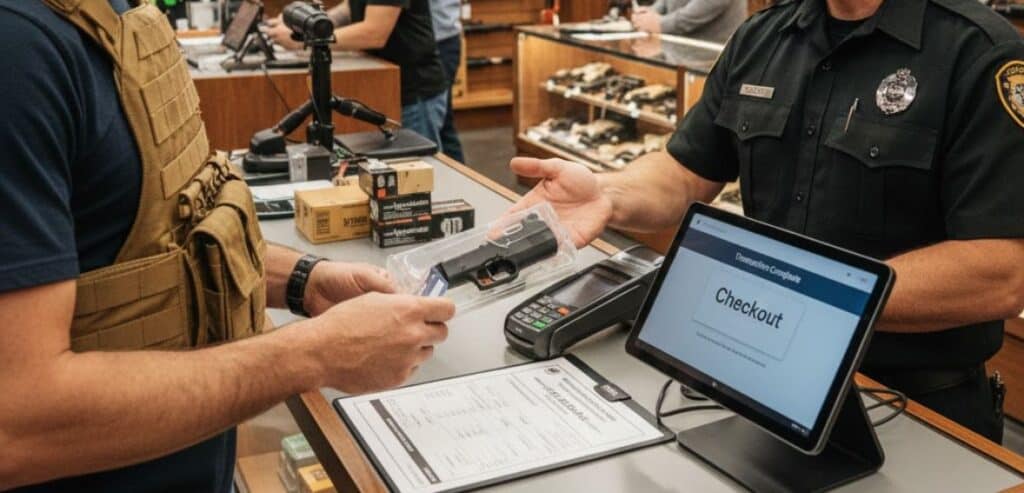
Before payment, prevention starts. Retailers of firearms should inform consumers in advance about transfer procedures, deadlines, and compliance obligations. Expectations should be reaffirmed via product pages, FAQs, and checkout messaging. Customers are less likely to panic or contest charges when they are aware of the procedure.
Prevention reduces the need for expensive and unpredictable rebuttals. Potential annoyance is transformed into informed consent by open and honest communication. This strategy protects income and sustains processor confidence by lowering both friendly fraud and misunderstanding-driven complaints.
Designing Transparent Checkout Flows
Chargeback rates are greatly impacted by checkout design. Retailers of firearms should put clarity ahead of speed. Later disagreements are decreased when compliance procedures, refund guidelines, and transfer procedures are clearly acknowledged. Instead of moving forward passively, customers should actively reaffirm their understanding.
As a result, consent is recorded. Additionally, transparent checkout procedures foster confidence and minimize buyer’s remorse. Customers are less likely to contact their bank after making a transaction when they feel educated and valued. Checkout serves as a risk management tool in addition to being a conversion point.
Retailers of firearms should prioritize clarity over speed by using POS systems designed for gun shops that document policy acceptance, verify identity, and record compliance acknowledgments during checkout.
Conclusion
For firearm merchants, chargebacks pose a danger to long-term profitability, processor confidence, and payment consistency in addition to financial loss. Due to the intense scrutiny that this business faces, even little errors can easily get out of hand.
By identifying the underlying causes of issues like friendly fraud, authorization conflicts, cancellations related to compliance, and fulfillment confusion, businesses may prevent damage before it happens. Effective chargeback management is built on solid documentation, open communication, disciplined procedures, and knowledgeable payment relationships. Preventive measures must start before checkout and continue through post-purchase assistance.
In a high-risk environment, weapons retailers can ensure the payment access necessary for sustained development, safeguard revenue, and boost operations by treating chargeback management as a strategic discipline rather than a reactive task.
FAQs
Why are chargebacks more dangerous for firearm retailers than other merchants?
Because firearm sales are classified as high risk, banks and processors apply stricter thresholds and escalate penalties faster.
What is the most common cause of firearm-related chargebacks?
Friendly fraud driven by buyer’s remorse, transfer delays, or misunderstanding of compliance requirements.
What evidence is most effective in winning firearm chargebacks?
Clear authorization proof, documented policy acceptance, fulfillment records to licensed dealers, and customer communication logs.
Can compliance-related transaction cancellations still lead to chargebacks?
Yes. If policies and conditions are not clearly disclosed and accepted upfront, issuers may side with the cardholder.
How can firearm retailers reduce chargebacks long-term?
By improving upfront education, strengthening checkout disclosures, maintaining rigorous documentation, and partnering with firearm-friendly payment processors.
Leave a Reply